Short answer: Restrict them to specific customers on the server side (using Regios Discounts), set strict time/usage limits, and use automatic discounts instead when possible.
How Shopify Merchants Think Discount Leaks Happen vs. How They Actually Happen
- You think someone shared a code privately.
- You think a customer posted it online.
- You think it was a one-off mistake.
Reality:
Most Shopify discount code leaks are automated, invisible, and inevitable if you rely on client-side security.
Coupon extensions, bots, browser scraping, and checkout monitoring tools are constantly probing stores for valid codes.
If a discount exists and isn’t properly restricted, it will be found.
This isn’t a Shopify skill issue.
Nobody teaches merchants how discount security actually works.
Let’s fix that.
Why “Private” Shopify Discount Codes Aren’t Private
If you want discount codes to stay private, obscurity won’t save you.
- Discount codes are validated at checkout.
- Bots don’t need to see your email to test them.
- Extensions brute-force, reuse, and share working codes.
Think of it like locking a bank vault with a sticky note over the keypad.
It feels secure until automation enters the picture. It’s about as secure as
locking a door with a Cheeto.
Key takeaway:
🤖 If a discount code works for anyone, bots will eventually find it.
The Core Rule: Discounts Must Be Enforced Server-Side
If you want to prevent Shopify discount leaks, do this one thing first:
- Enforce eligibility on the server.
- Not in JavaScript.
- Not in theme code.
- Not in the browser.
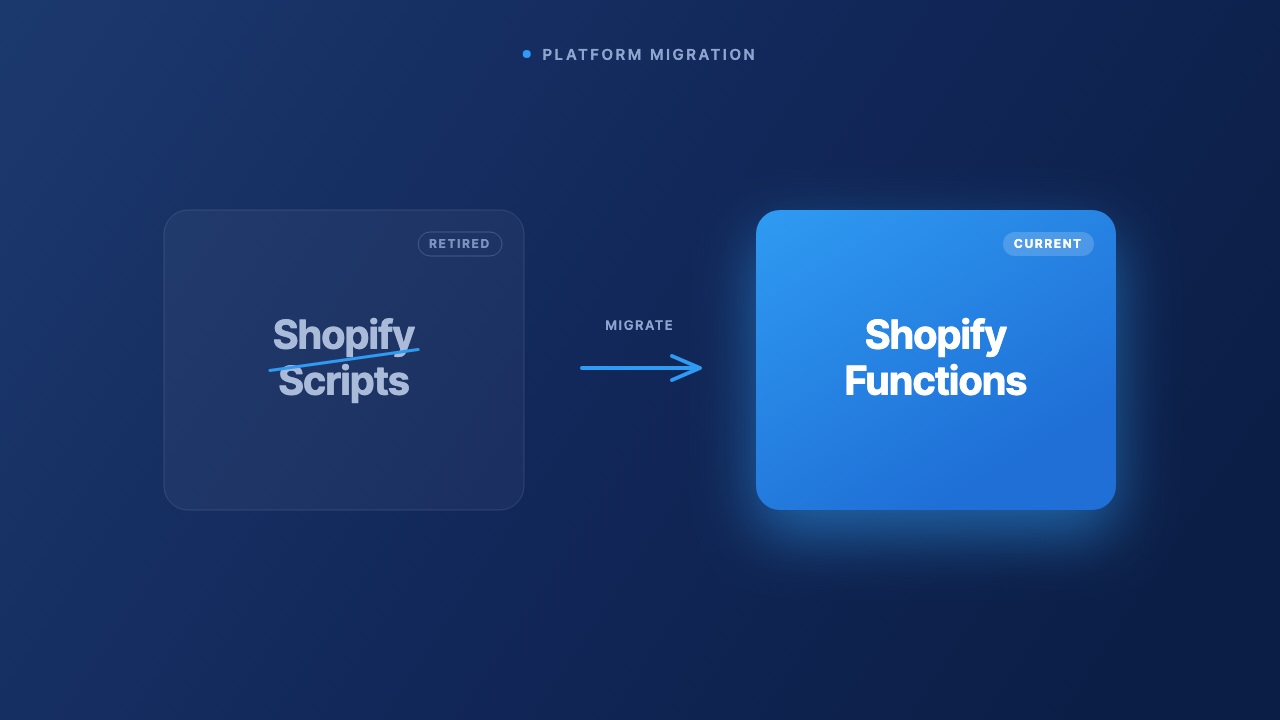
When discounts run on Shopify’s servers using the Shopify Functions API (Regios Discounts uses this), customers and bots cannot tamper with eligibility logic.
That’s the foundation everything else builds on.
Restrict Discount Codes to Specific Customers (The Right Way)
If you’re sending the same code to multiple people, you need an allowlist.
Instead of trusting the code itself, restrict who can use it:
- Customer tags like
newsletter,wholesale, orvip - Customer segments
- Customer metafields
- Explicit customer lists
Even if a code leaks, unauthorized customers simply won’t qualify.
This instantly neutralizes coupon sites.
Always Set Usage Limits (Especially One Per Customer)
If you’re unsure, default to one use per customer.
- Prevents repeat abuse.
- Limits financial damage.
- Makes leaks far less profitable.
For a step-by-step guide on setting this up, see our tutorial on creating one-time discount codes in Shopify.
Important nuance: Shopify defines a “customer” by email address.
That means usage limits help, but they’re not foolproof against burner emails.
They’re still essential.
Time Limits Are an Underrated Defense
If a discount only lasts 24–48 hours, leaks barely matter.
- Coupon sites index slowly.
- Extensions rely on reuse.
- Expired codes are worthless.
Short-lived discounts dramatically reduce risk with zero downside.
This is one of the highest ROI changes you can make.
Automatic Discounts: Nothing to Leak
No code = nothing to scrape.
Automatic discounts:
- Apply without a shareable code.
- Can be restricted to customers.
- Cannot be shared or brute-forced.
If you’re wondering which type to use, check out our breakdown of why automatic discounts are better than discount codes.
The tradeoff is complexity.
Shopify’s native automatic discounts are limited.
That’s why advanced logic and server-side tooling matters.
“Once Per Customer” With Automatic Discounts (Yes, It’s Possible)
This is where most merchants get stuck.
Automatic discounts don’t natively support “once per customer” logic.
But with server-side logic, you can:
- Check order history.
- Enforce first-time-only rules.
- Block repeat eligibility.
This keeps the benefits of automatic discounts without opening abuse vectors.
The Nuclear Option: Manual Draft Orders
If you need absolute certainty:
- Create a draft order.
- Apply the discount manually.
- Send the invoice link.
This is bulletproof.
It’s also slow, manual, and unscalable.
Use it sparingly.
What About Customers Creating New Accounts?
This is the hardest problem.
From Shopify’s perspective:
- New email = new customer.
- No native identity resolution exists.
The only truly bulletproof solution is a custom Shopify Functions app that:
- Compares addresses
- Matches names
- Checks historical data
- Rejects suspicious eligibility server-side
You need a custom app for that because only custom apps can access the network in Shopify Functions. You’d essentially have to search your entire customer database for duplicate accounts before deciding whether to approve/reject discount code attempts. This is advanced, but it’s the ceiling of discount security.
The Real Lesson: Discount Leaks Are a Systems Problem
Discount abuse isn’t a marketing failure.
It’s a systems design issue.
If your discounts rely on secrecy, they will fail. If they rely on server-side rules, they scale safely.
That’s the difference between hoping and controlling.
Final Checklist: How to Prevent Shopify Discount Code Leaks
- Enforce eligibility server-side
- Restrict discounts to customers, not codes
- Set usage limits
- Set short expiration windows
- Prefer automatic discounts
- Avoid client-side logic
- Accept that obscurity is not security
If you want control, build systems that assume attackers exist.
Related Guides
Looking to implement these strategies? Start here:
- Why Automatic Discounts Are Better Than Codes — The case for ditching codes entirely
- How to Create One-Time Discount Codes — Set up usage limits the right way
- First Order Discounts for New Customers — Automatic discounts that only work once
- Automatic Discounts for Tagged Customers — Restrict discounts to VIPs, wholesale, and more
- Friends and Family Discounts — Secure discounts for specific individuals
- Do Discounts Actually Reduce Revenue? — When discounting helps vs. hurts
Want full control over Shopify discount logic without leaks or hacks?
That’s exactly why Regios Discounts exists.